



 Share Profile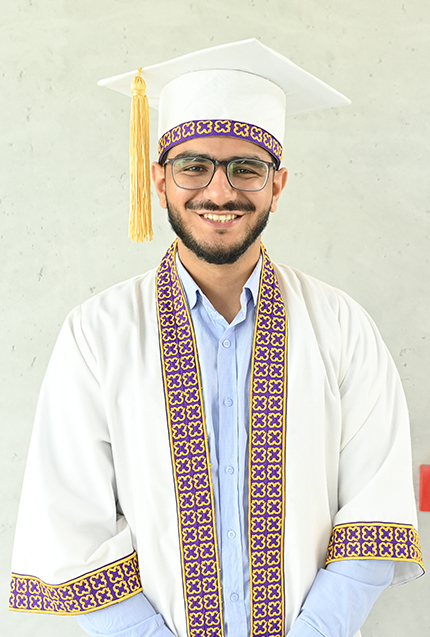
AMSAL MALIK
Aspiration Statement
I am currently working at CFAW, aiming to bridge policies and social impact. I aspire to deepen my expertise and contribute to evidence-based policy reforms for inclusive and sustainable development.
Core Skills
- Data Analysis, Grant Writing, Mix-method Research, Policy Analysis
Academic Awards / Achievements
- Meritorious Award
Experience
Leadership / Meta-curricular
- Member, HUSG Events Cabinet President, Young Leaders Club Program Assistant, Office of Student Life
Internship / Volunteer Work
- Research Associate, Center for Arts-based Methodologies and Wellbeing (CFAW) (January 2025 March 2025) Research Intern, Aga Khan University (July 2024 August 2024)
Publications / Creative Projects
- Dhool in Arzu Anthology Volume 6 Piya Ghar Aya in Arzu Anthology Volume 6 Research Paper on "Navigating Climate Chaos: A Gendered Analysis of Urban Flooding Impact in Karachi�۪s Diverse Socio-Economic Landscapes" in Tezhib Volume 3 Edition 32024 Sunsets in Arzu Anthology Volume 6
Final Year Project
Project Title
Suffocating Pakistanis: The Impact of IMF Loans on Quality of Life
Description
Pakistan has relied on International Monetary Fund (IMF) loans 24 times, yet its economic crisis continues to deepen. This research explores how IMF-imposed austerity measures impact household well-being, focusing on income, healthcare, education, food security, and living conditions. Using Pakistan Social and Living Standards Measurement (PSLM) data from 2012-2020, the study applies Ordinary Least Squares (OLS), Difference-in-Differences (DiD), and Triple Difference (DDD) methods to assess regional and socio-economic variations. Findings reveal that IMF programs reduce quality of life by 18%, with food security declining by 55% and living conditions deteriorating by 22%. The impact is harsher in Sindh and Balochistan, while Punjab and Islamabad benefit. The research challenges IMFs role as Pakistans savior and calls for alternative, independent economic policies to mitigate debt dependence and protect vulnerable households.