



 Share Profile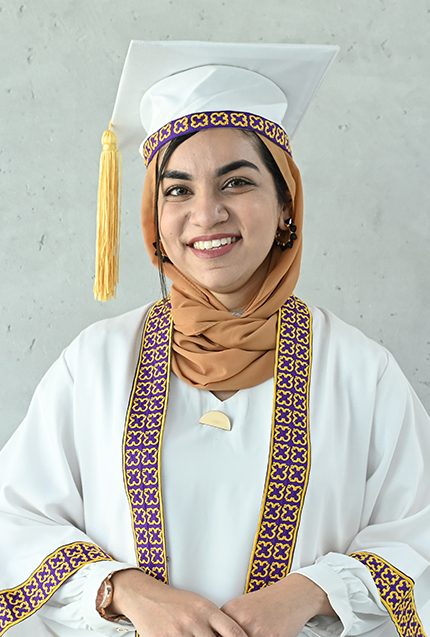
SARA AHSAN
Aspiration Statement
I aspire to work in public health or education, focusing on research, policy, or programs that enhance healthcare access, critical thinking, and community empowerment for sustainable social impact.
Core Skills
- Academic Writing (English), Workshop Facilitation, Qualitative Research Analysis, Survey Design and Implementation
Experience
Leadership / Meta-curricular
- Academic Cabinet Member, Representative of SDP Batch of 2025 Assistant Committee Director, HUMUN Orientation Leader, NSO Project Wujood Instructor, Serve Club 5 km Marathon organized by Sindh Police, Shuhada run
Internship / Volunteer Work
- Marketing Intern, Pakistan Society for Training and Development (June 2023 - July 2023) Research Intern-Aspire Summer Internship, Aga Khan Hospital (July 2024 - August 2024) Research Intern, PHC Global (January 2025 - April 2025)
Publications / Creative Projects
- Research Paper on Creating Agents for Social Change published in Tehzib Undergraduate Research Journal
Final Year Project
Project Title
The Psychosocial Experiences of Menopausal Women
Description
My thesis explores the psychosocial experiences of menopausal women in Karachi, particularly stay-at-home mothers aged 45 to 60. It examines how they navigate menopause socially and psychologically while analyzing the growing medicalization of this life stage. Through in-depth interviews with six women, I identified key themes: feelings of isolation, lack of awareness, and minimal healthcare support. Many women relied on home remedies or informal networks due to misinformation and stigma. Some viewed menopause as a natural transition, while others sought medical intervention. The study highlights the need for greater awareness, community support, and accessible healthcare services. By addressing these gaps, the research aims to normalize conversations around menopause and improve public health initiatives. It contributes to understanding how cultural perceptions shape menopausal experiences, emphasizing the importance of a holistic, non-medicalized approach to care and support for women undergoing this transition.