

The Dhanani School Undergraduate Research Symposium (DURS) is an annual academic initiative that provides undergraduate students a platform to showcase their research work, innovations, and scholarly contributions. The symposium encourages knowledge-sharing, interdisciplinary collaboration, and intellectual engagement among students, faculty, and industry experts.
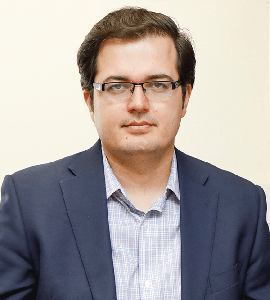
Dr. Ihsan Ayyub Qazi is a Professor of Computer Science at the Lahore University of Management Sciences (LUMS), where he co-leads two of Pakistan's most ambitious research initiatives: the National Center in Big Data & Cloud Computing and the National AI Hub. He also serves as the Director of LUMS’s Digital Health program and its online learning platform, LUMSx. He holds a Ph.D. from the University of Pittsburgh and has held research appointments at the University of California, Berkeley and institutions in Australia and Germany. His research sits at the intersection of clinical AI and digital health, information integrity, and trustworthy AI systems. He has published in top-tier venues spanning computer science, economics, and medicine including ACL, ACM SIGCOMM, CHI, Nature Health, the New England Journal of Medicine (NEJM) AI, and the Journal of Development Economics. His work has been supported by the World Bank Group, the Gates Foundation, a Google Faculty Research Award, and multiple Meta Integrity Research Awards. He has also been recognized with teaching and alumni achievement honors from LUMS and the University of Pittsburgh.
Applications of AI for societal challenges
AI for transforming healthcare, education, agriculture, and banking
AI in bioinformatics
Deep learning innovations and applications
Natural language processing & computer vision
Generative AI & LLMs
AI bias, fairness, and accountability
Ethics in AI-generated content: Deepfakes and beyond
Digital humanities: Text analysis, archiving, and visualization
Computational social science: Modeling social behaviors and networks
AI and ethics in society: Bias, fairness, and accountability
Human-centered AI and cultural analytics
Data-driven research in history, linguistics, and anthropology
Social network analysis: Examining relationships, influence, and community structures
Renewable energy and efficient systems for sustainability
Technological advancements for health and climate resilience
Smart grids and energy management
Systems Thinking and One Health
Bioethics and gene editing
Latest developments in robotics technology
Applications of autonomous systems and wearable devices
Virtual reality & augmented reality (VR/AR) for immersive user experiences
Bionics
Cryptography and blockchain
Cybersecurity in IoT
Cloud computing
Call for Abstracts
Abstract Submission Deadline
Notification of Abstract Acceptance
Full Paper Submission and Poster Submission Deadline
Notification of Acceptance
Registration Deadline for Authors

Interim Assistant Dean, Dhanani School of Science and Engineering; Program Director and Associate Professor, Computer Science
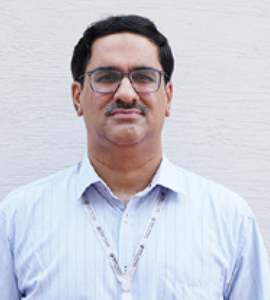
Assistant Program Director and Assistant Professor, Computer Science
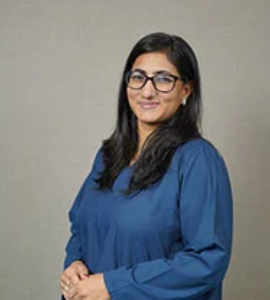
Faculty Director, Dean's Fellowship Program & Assistant Professor, Integrated Sciences & Mathematics
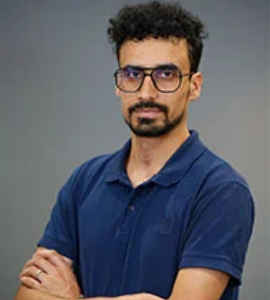
Assistant Professor, Computer Science
Deputy Manager, Computer Science
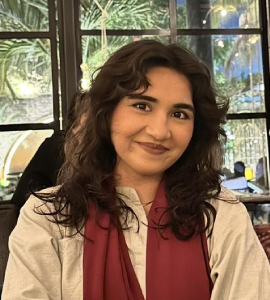
Research Assistant, Computer Science
Senior Research Associate, Electrical and Computer Engineering
Research Assistant, iSciM

Program Manager, Computer Science
The Microsoft CMT service was used for managing the peer-reviewing process for this conference. This service was provided for free by Microsoft and they bore all expenses, including costs for Azure cloud services as well as for software development and support