

 Share Profile
Areeba Arif
Nargis & Shahid Soorty HU TOPS Scholar

Aspiration Statement
I aim to pursue a career in Program Management and Data Analysis, driven by my interest in communal work and quantitative research, using evidence-based approaches to inform effective decision-making.
Core Skills
- Microsoft Office
- Power BI
- QGIS
- RStata
Core Demonstrated Competencies
- Problem Solving
Preferred Career Paths
First priority: Program Management
Second priority: Data Analyst
Third priority: HR
Academic Awards / Achievements
- Dean's List 2023, 2024
- High Achievement Scholarship 2024
- President's List 2024
Experience
Leadership / Meta-curricular
- Vice Chair - Food and Hygiene, Habib University Student Government
- Director General - HUMUN VII
- Director Finance - HUMUN VII
- Planning Lead, Serve Club
- Marketing Lead, Young Leaders Club
Internship / Volunteer Work
- Trainee, PWC (March – June 2026)
- Intern, Precision Health Consultant Global (PHCG) (June – August 2025)
- Researcher, Habib University (May – August 2025)
Publications / Creative Projects
- Conference Presentation – Poster Presentation for STRP I in IEEE VIS 2025
Final Year Project
Project Title
The Politics of Green Spaces in Karachi: Aesthetics, Urban, and Political Ecology
Description
My research examines the politics of green spaces, focusing on how the distribution and quality of urban greenery are shaped by governance, planning decisions, and socio-economic inequalities. The project aims to investigate who benefits from green spaces and who is excluded. It also highlights a divide in knowledge about plants, where activists and environmentalists often present differing interpretations of ecological value, creating inconsistencies in understanding. This gap signals the need to bridge scientific, activist, and local perspectives. Additionally, the research explores how plants and greenery are sometimes used as performative tools—rather than meaningful ecological ones. The purpose is to expose these dynamics, promote inclusive knowledge, and support informed urban planning. Expected findings reveal both structural inequalities and contested meanings of green spaces.
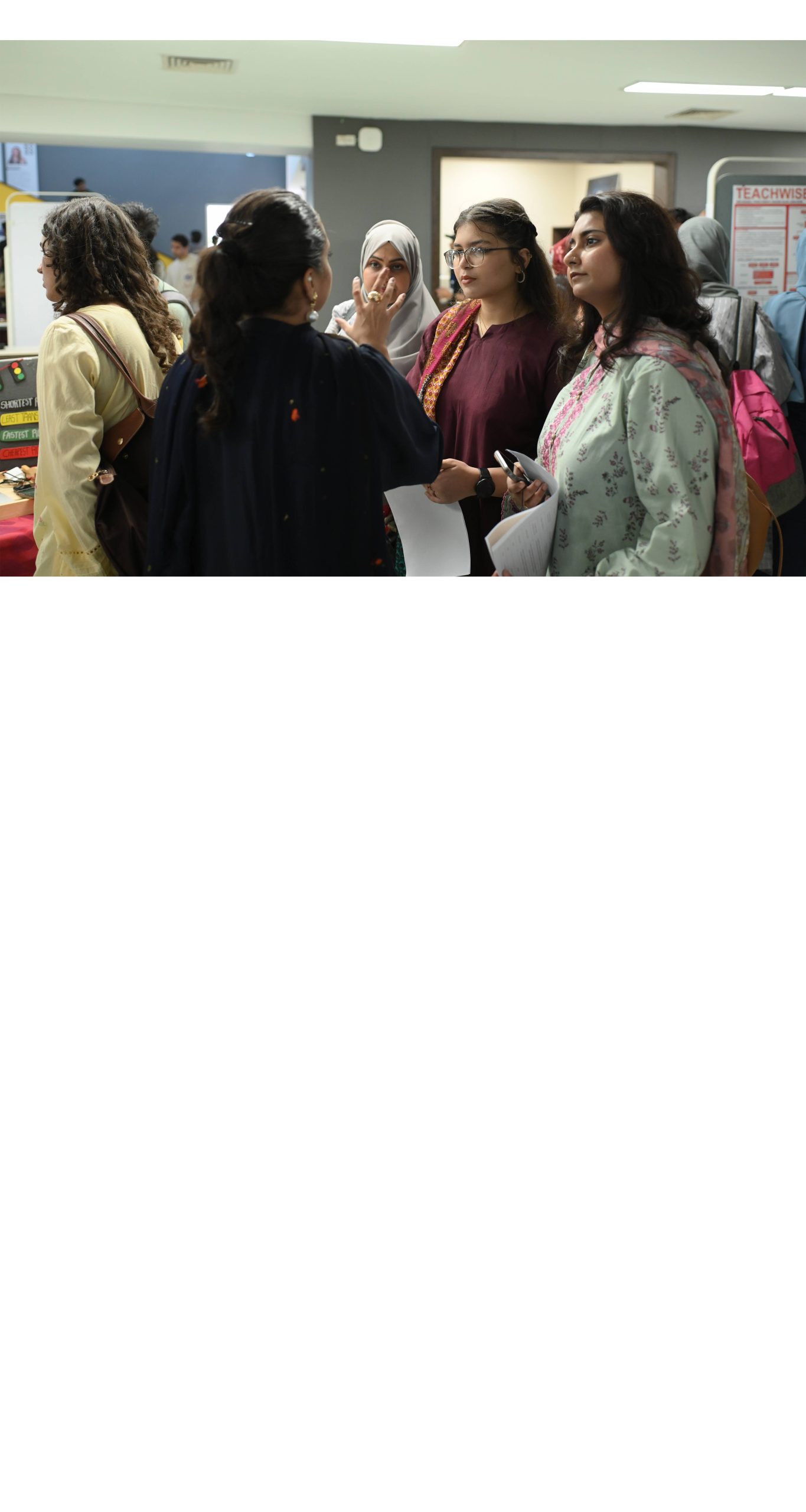
Project Pictures