Registration
Guest check-in and arrival.



This event examines the relationship between illustration and broader visual arts heritage in South Asia with regard to the transference and preservation of folklore and myths. These forms of storytelling, traditionally oral in nature, were used to make sense of humans’ place in an enchanted world, legitimize empires, and construct communal identities. Today, contemporary illustrators revisit mythic and folkloric sources to reimagine how these older narrative worlds can speak to present concerns like ecological precarity, minority rights, and diasporic identity. Yet such visual and narrative inheritances are being steadily displaced and erased in Pakistan and elsewhere by imported aesthetic and ideological frameworks like that of Gulf-influenced Islamization and the soft power of East Asian visual culture.
Contemporary South Asian illustrators look to past and current visual trends and motifs to draw new life into old stories, utilizing archival research to inform their retellings. Providing new visuals to old tales using mediums such as animation, comics, printmaking, and painting, ensures the continued dissemination of stories to newer generations where they might have otherwise been lost. In this way, contemporary illustrations can deepen connections to a cultural heritage that existed long before modern borders divided South Asia into separate nation-states.
The symposium will bring together practitioners and academics in conversation on the following themes: history of visual iconography associated with existing myths and stories, use of symbols and mythology to create personal narratives, use of pedagogy and publishing to allow younger audiences to engage with these stories, and affordances of different visual mediums for the preservation of stories in future generations.
Based in Lahore, Bibi Hajra works as an architect, academic, and visual artist. For years, her practice has been centered on a prominent shrine of a female saint of Lahore, documenting and depicting the lives and beliefs of women devotees who gather there.
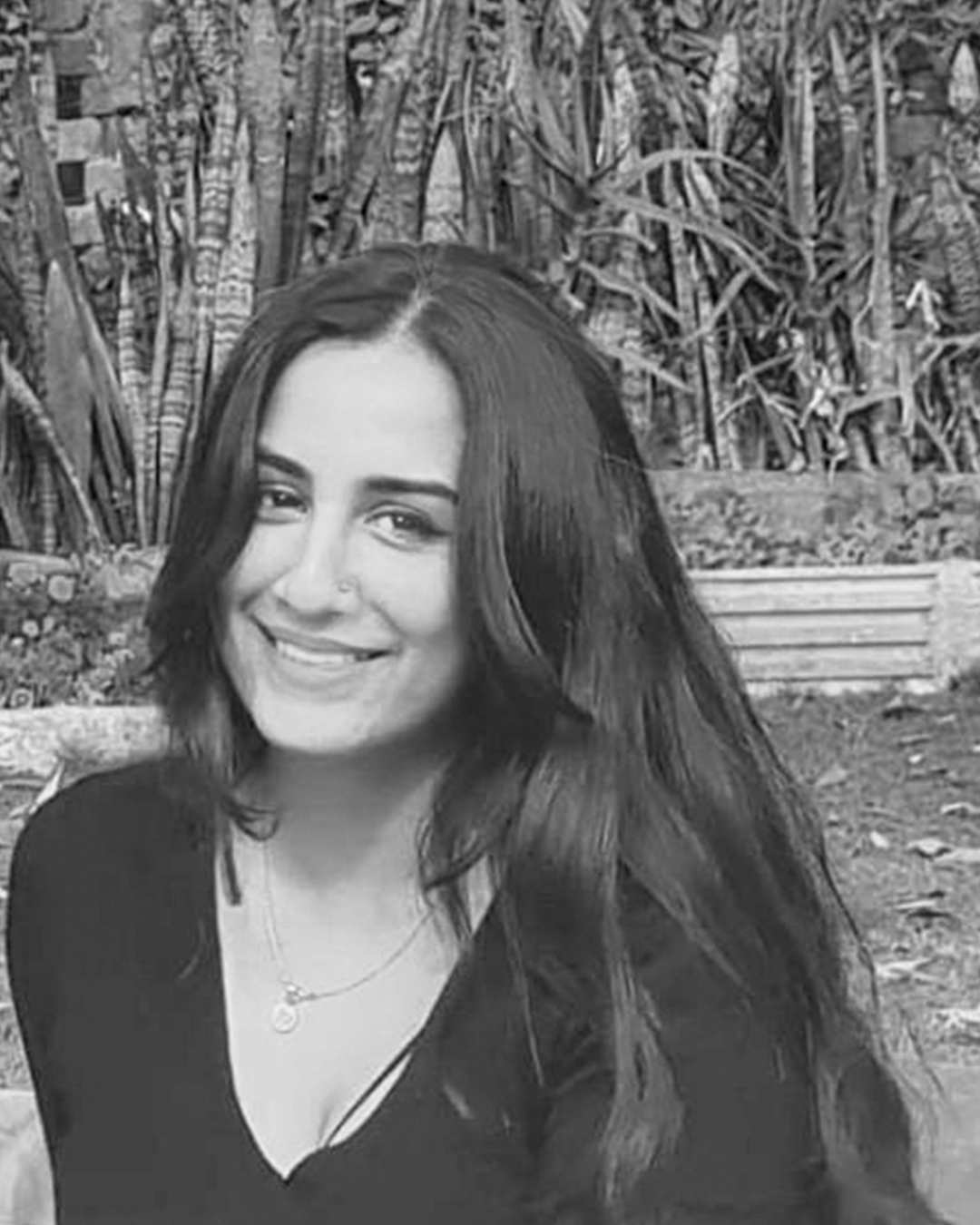
Bibi Hajra is a visual artist and educator whose practice explores themes of memory, identity, and cultural continuity. Her work often draws from personal and collective histories, examining the intersections of tradition and contemporary experience. Through a multidisciplinary approach, she engages with materials and narratives that reflect the complexities of belonging and transformation. She has exhibited her work in various group exhibitions and continues to contribute to the arts through both her creative and teaching practice.
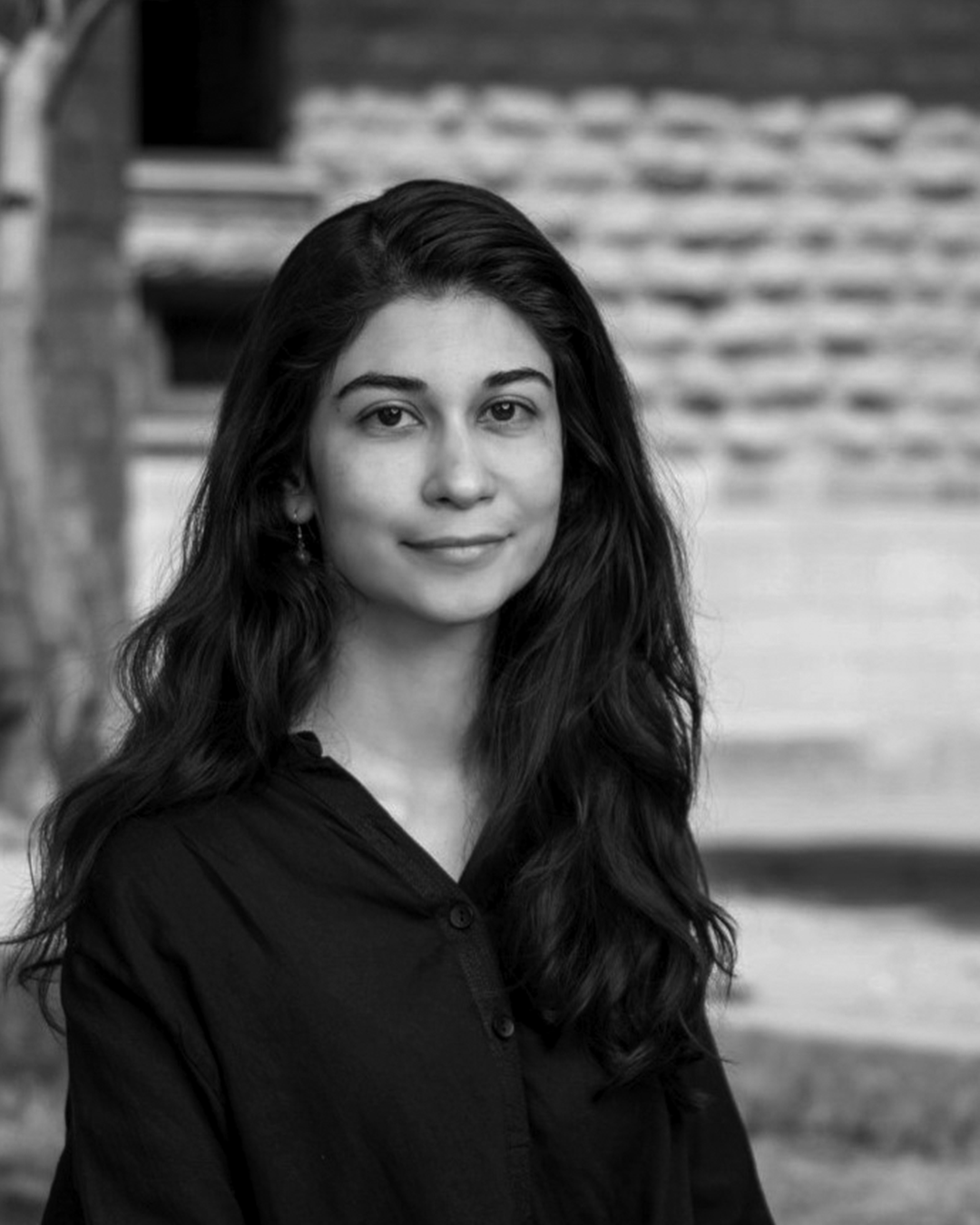
Anushka Rustomji is a visual artist whose practice examines themes of cultural and historical erasure, duality, and transcendence. Her works are influenced by the visual representations of mythologies and cross-cultural sacred practices and traditions of the Global South. She is an alumna of the National College of Arts, (Lahore) and was a participant in the Pilotenkueche artist residency (Leipzig). Rustomji has exhibited her work internationally, including at Way of the Forest, Colomboscope (Colombo, Sri Lanka, 2024), The Land Sings Back, (Drawing Room, London, 2025) and is a faculty member at the Indus Valley School of Art and Architecture, Karachi.
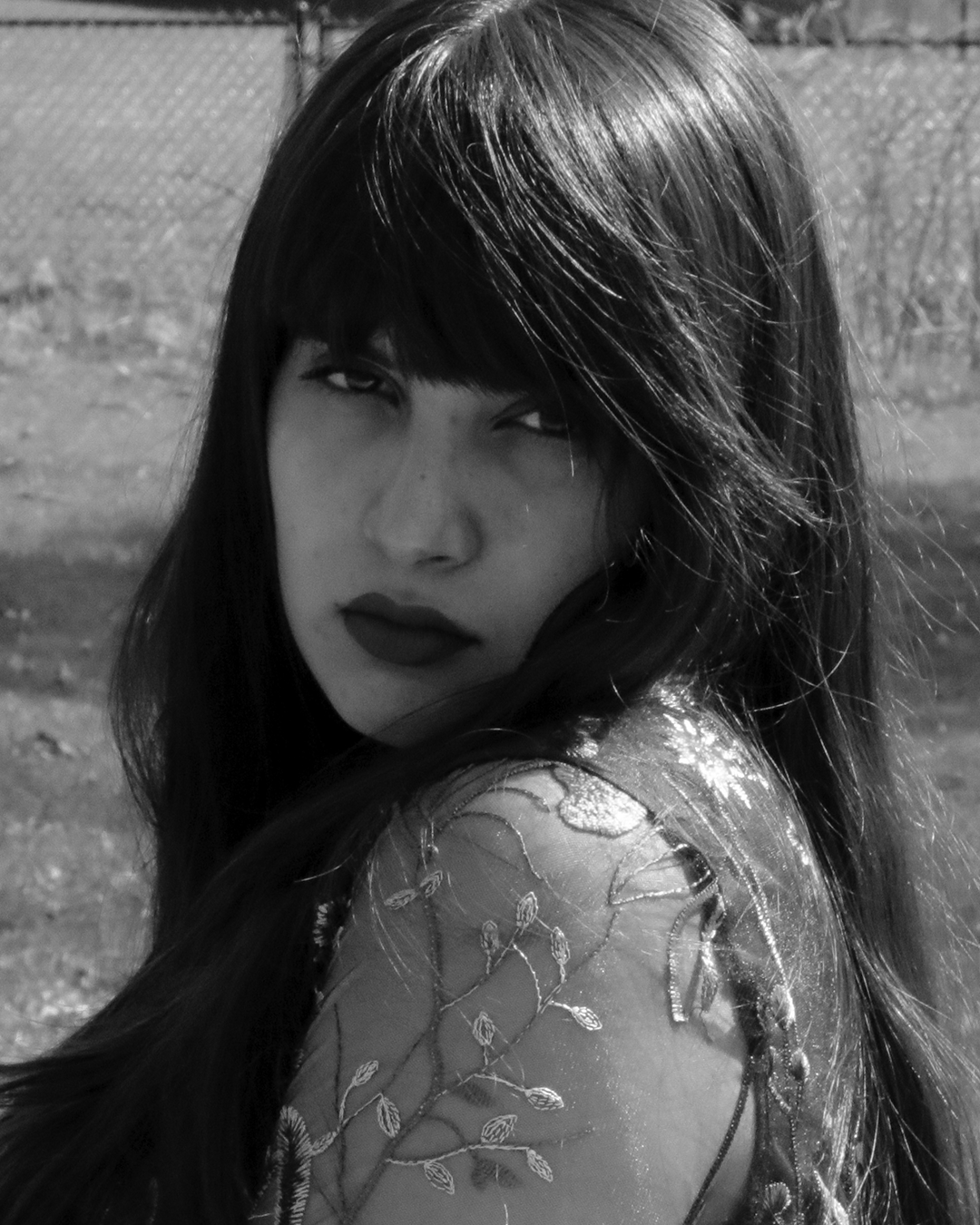
Komal Ashfaq is an artist and VFX Engineering Management professional at Lucasfilm, Disney. Recipient of the prestigious AAUW Fellowship, she graduated with the Outstanding Graduate Award from Rochester Institute of Technology's MFA program in Film and Animation. She has contributed to major Hollywood films and TV shows across Marvel, Star Wars and Disney properties. Beyond her career, Komal is a recipient of the Canada Council for the Arts award for her webcomic, Karachi but Haunted, which she meticulously writes and hand-draws. Her work represents a unique fusion of technical pipeline management and personal storytelling drawing from life experienced in Karachi.

Mariam Tafsiri is a British-Iranian illustrator and artist from London. Her work takes inspiration from Qajar art, Persian miniature paintings and Islamic design to create colourful and whimsical modern compositions. Her interest in Qajar art developed at an early age, inspired by the unibrowed women who represent a very different concept of beauty to that regularly portrayed in popular media. She has previously collaborated with companies such as Apple, Instagram and Kiehl’s, working on projects ranging across digital campaigns, packaging design and book illustrations.
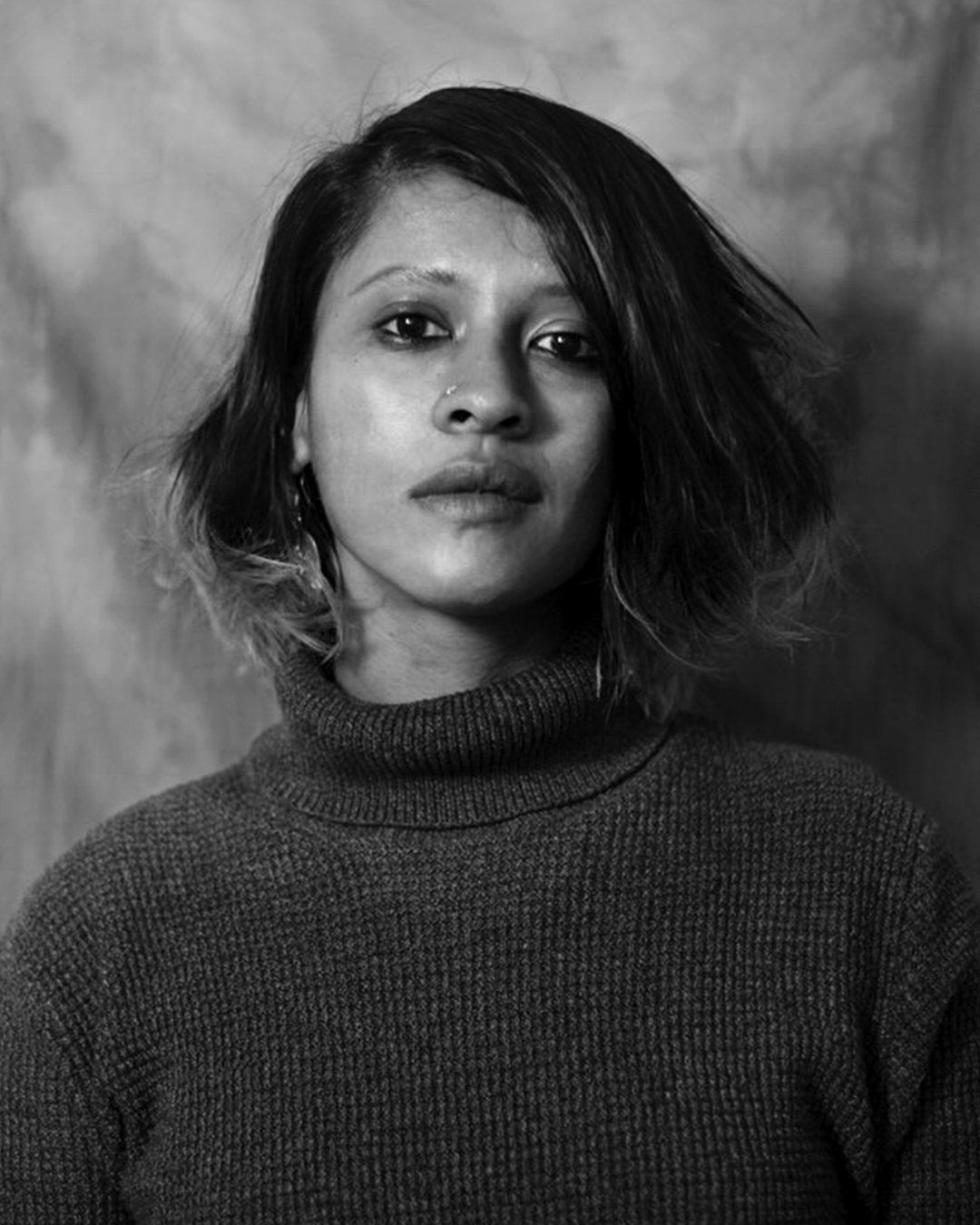
Priyanka K is a visual artist, storyteller and printmaker with a practice that spans illustration, artist books, zines, prints, and murals. Originally from Kolkata, she currently teaches risograph printmaking and visual narrative at the Maryland Institute College of Art (MICA), Baltimore. She also art-directs for two publishing projects: South Asian Avant-Garde (SAAG), a dissident literary anthology, and Anchovy Press, a publishing project aimed at centering BIPOC experiences through zine-making and print. Her comics and graphic stories have been published in Drawing The Line: Indian Women Fight Back (Zubaan Books, 2014), First Hand: Graphic Non-Fiction from India (Captain Bijli Comics & Yodapress, 2016), Bystander: Stories, Observations and Witnessings from South Asia (Kadak Collective, 2021). She is currently working on an essay for Turn The Page, an upcoming monograph on Indian comics.
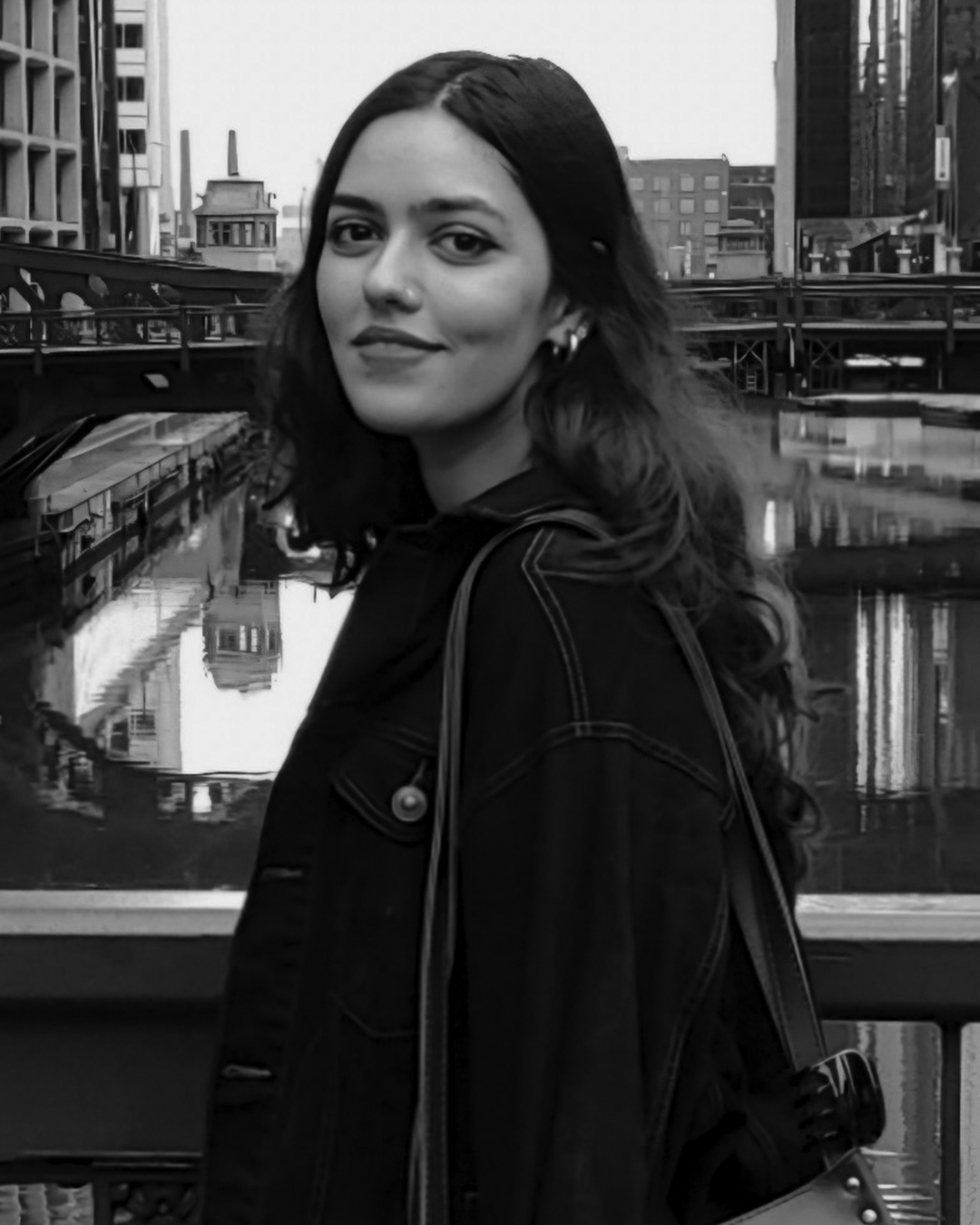
Rajaa Moini is an illustrator and academic with a BA in Communication and Design from Habib University and an MA in Comparative Literature from Purdue University. With experience in publication design, journalism and academia, her work falls in the intersection between visual art, anthropology and literature. Rajaa’s previous research has revolved around the themes of violent death, disembodied memory and mourning, and their South Asian and Middle Eastern literary representations, with her current research centred on developing an anthropological understanding of “disorder” and “madness” in Pakistan through arts-based research methodologies. She has also taught courses on liminal studies and illustration, with her current offering “Unfashioned Creatures: Reading and making monsters” underway at Habib University this semester.
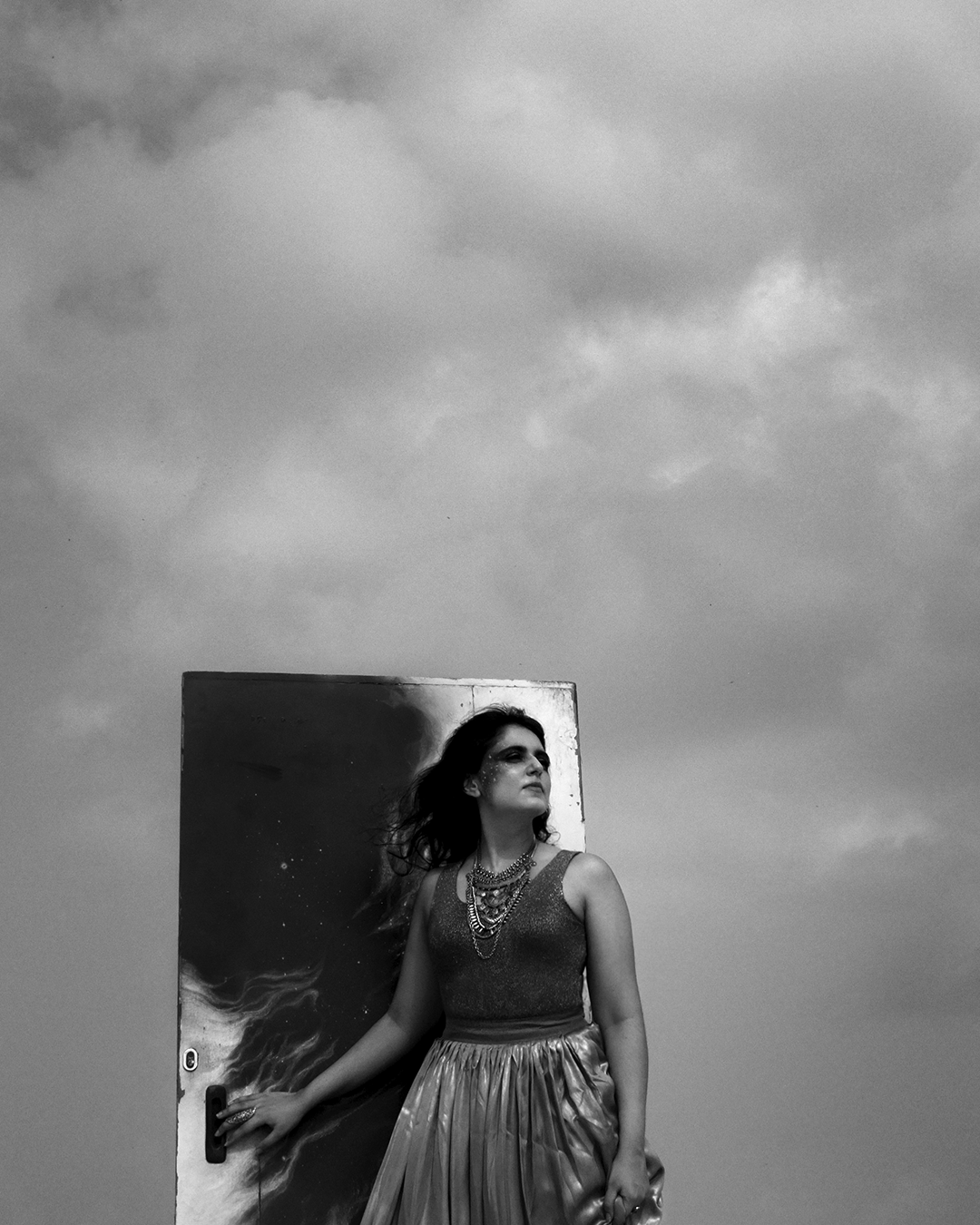
Sana Nasir is an international award winning Illustrator and Art Director. She has worked in the fields of music, festivals, activism and environmental education. Growing up, Sana was always fascinated by fantasy, sci-fi and folklore in the form of books, films and art which heavily inspired her work especially in the realm of Islamic cosmology. She takes great care with using mythology and folklore in her work which is often filled with easter eggs and symbolism for people to find. Sana’s talk Design in the Name of Love was featured at the National Digital Design Conference (ND2C) in September 2018 and her talk, Culture Alt Delete is featured as a PechaKucha 20x20 talk in 2019. Currently Nasir lives and works nomadically somewhere in Asia at any given time and is Art Director of an ethical record label, Cape Monze Records.
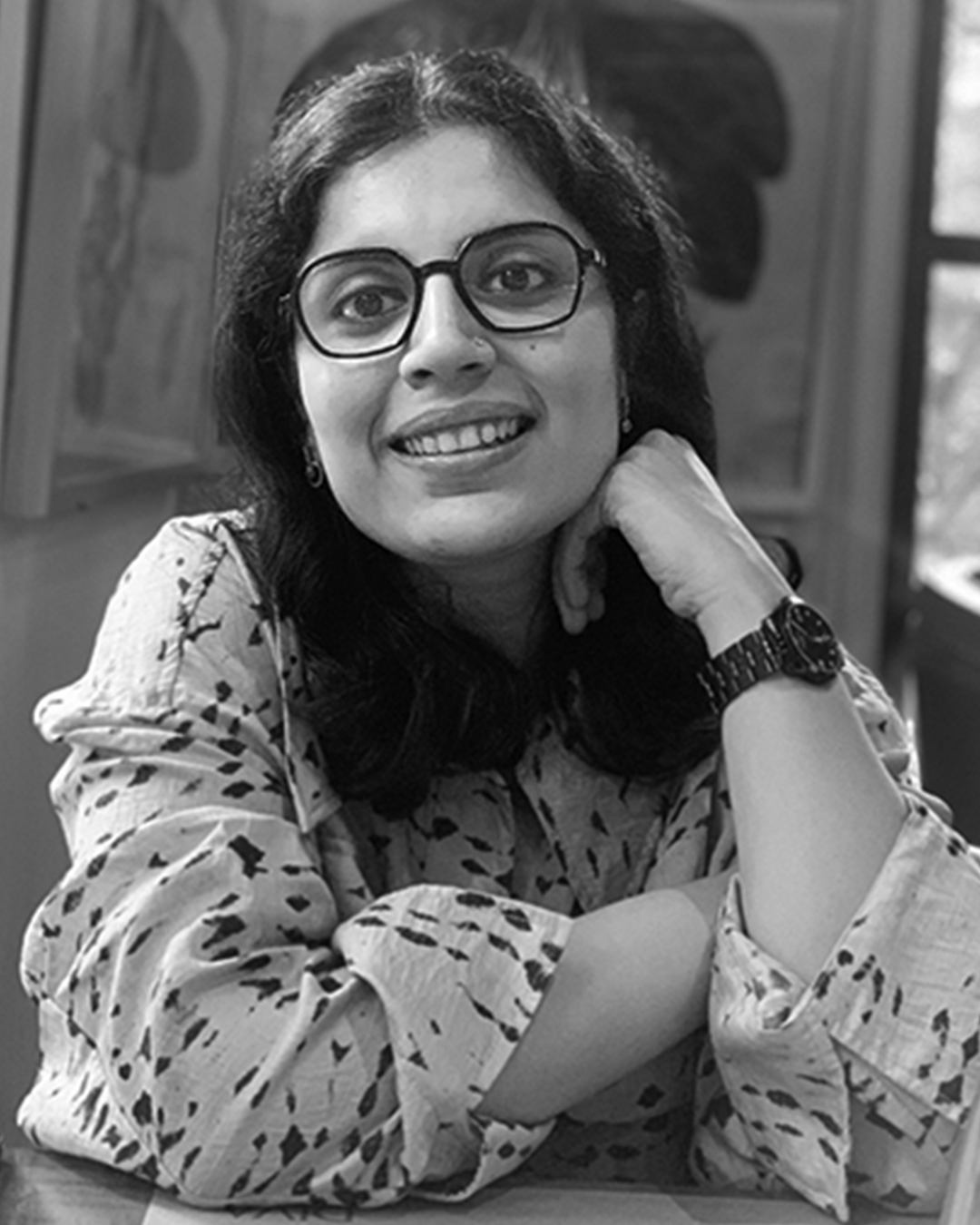
Siddhi Gupta is a designer, educator, and researcher working at the intersection of craft, pedagogy, and emerging technologies. She is Design Director at the Inclusive AI Lab, where she leads projects on equity in AI and digital storytelling with global partners including IDRC, Adobe, and UN-affiliated initiatives. Her practice explores how learning is shaped across diverse contexts—from classrooms to community-led platforms—with a focus on material, cultural, and situated ways of knowing. Siddhi teaches in the Creative Education programme at Srishti Manipal Institute, Bangalore, and is currently pursuing her PhD at Utrecht University.
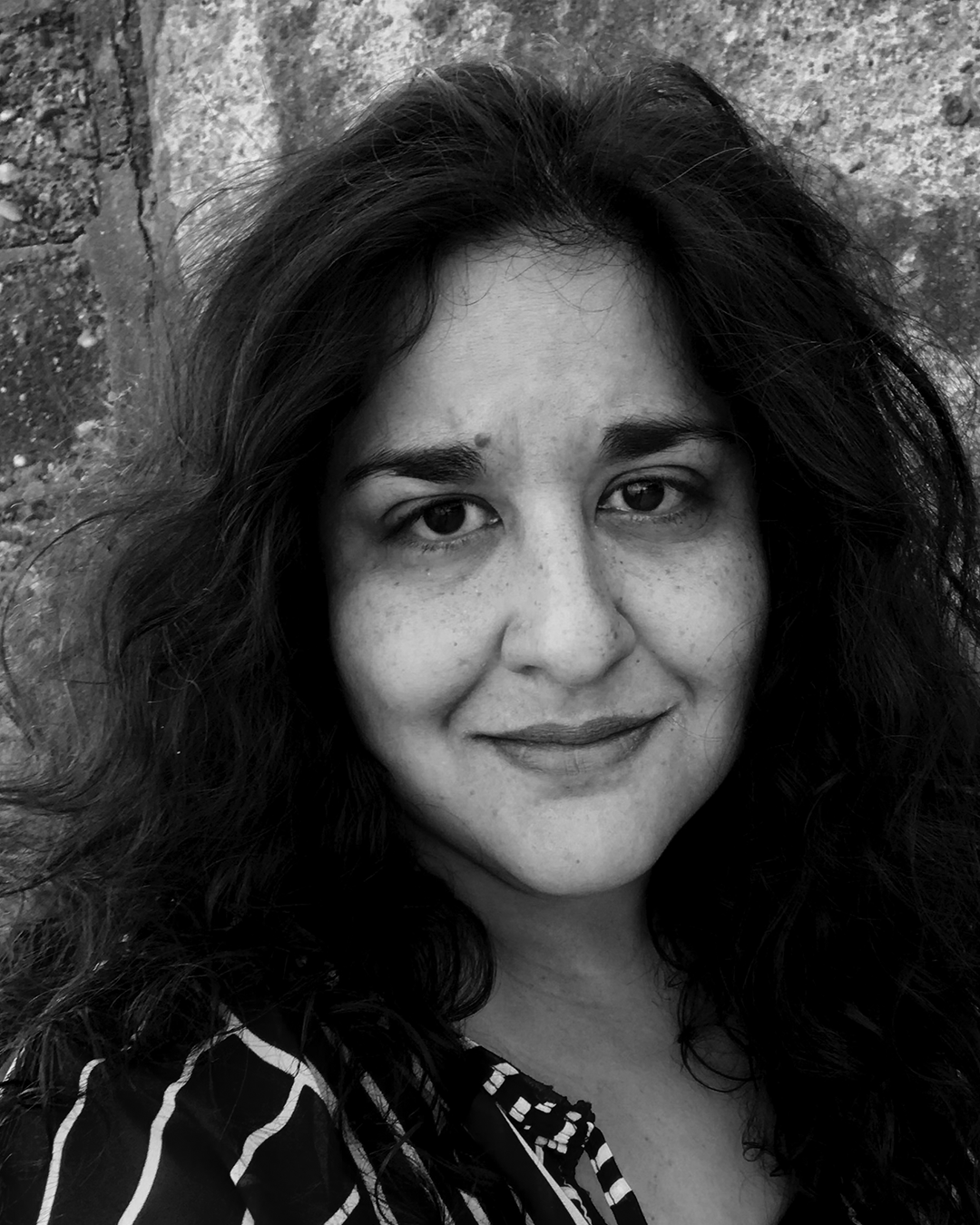
Taymiya R. Zaman is a historian, writer, and artist whose work bridges scholarly inquiry and visual storytelling. She is a professor of history at the University of San Francisco, where she has taught courses on the Ottoman, Safavid, and Mughal Empires, on historical method and memory, and on autobiographical writing, gender, and sexuality. She has written fiction, essays, and academic articles, and been involved in mural restoration and activism in the Bay Area. Her vision as both a historian and artist is shaped by an engagement with the connected cultural worlds of Hindustan, Iran, Rūm, and Bilād al-Shām, and by an ongoing curiosity about how creative practice can animate the everyday.
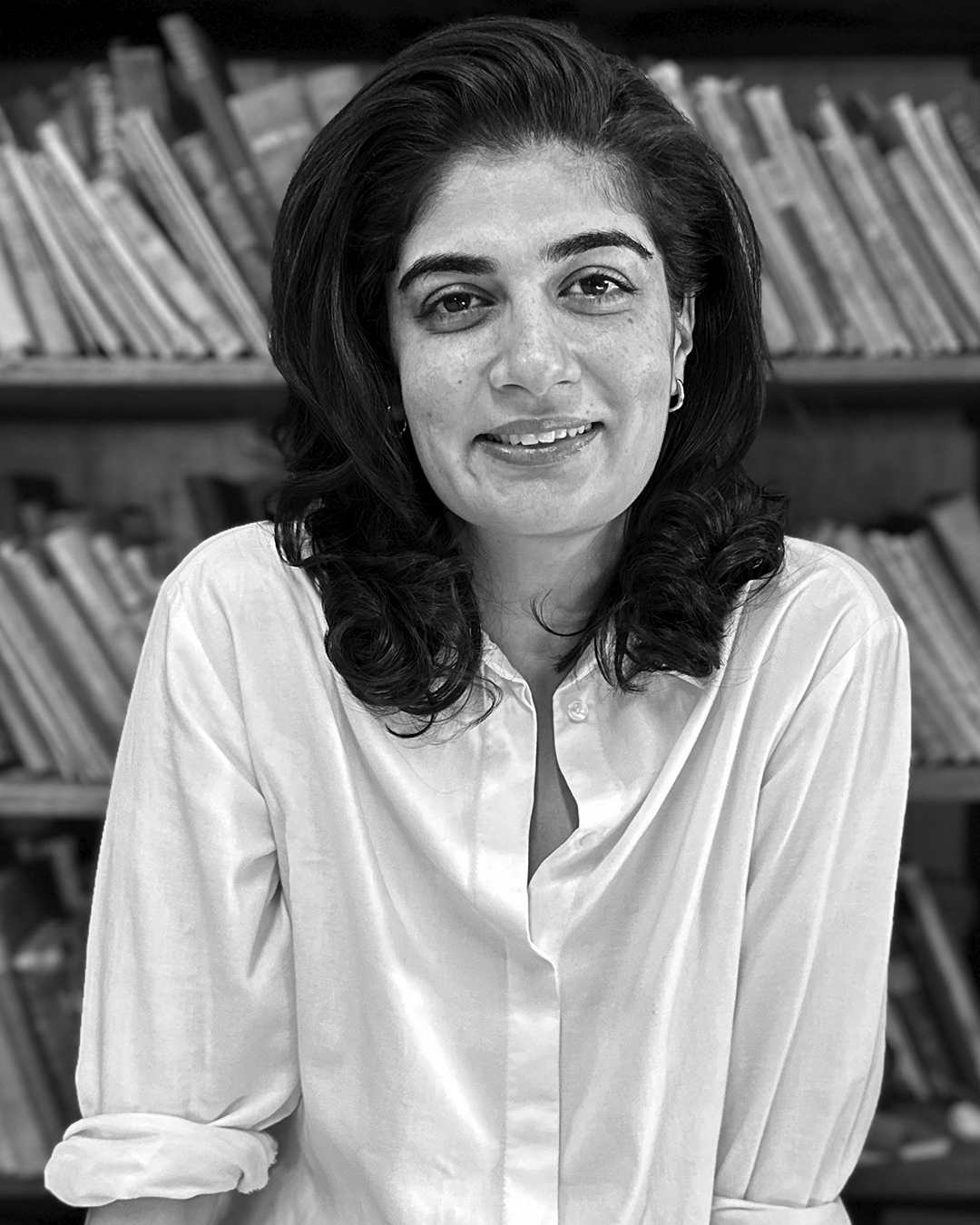
Veera Rustomji is a multidisciplinary artist from Karachi. Her practice deals with uncovering historiographical power structures portrayed through materials which explore geographical influences, religious iconography and archival methods. She holds a BFA from the Indus Valley School of Art and Architecture (IVS) and an MA from Chelsea College of Arts at the University of the Arts London (UAL), where she was awarded the UAL Postgraduate International Scholarship. Veera produced a body of documentation capturing the erasure of island life and coastal heritage within the Indus Delta for the Mead Fellowship and her site-specific investigations coexist alongside literary and community-based archives from public and private collections. Veera is also the co-director of the Urban Repository Archive (URA) housed within the Department of Fine Art (IVS), which explores how student-led research responds to the changing landscape of Karachi.
Guest check-in and arrival.
Rohama Malik
Keynote Address
Areesha Khuwaja
Rohama Malik