
The Joy of Discovery: Curiosity, Science, and the Pivotal Role of Universities
Why do human beings seek knowledge at all, especially knowledge with no obvious practical use?
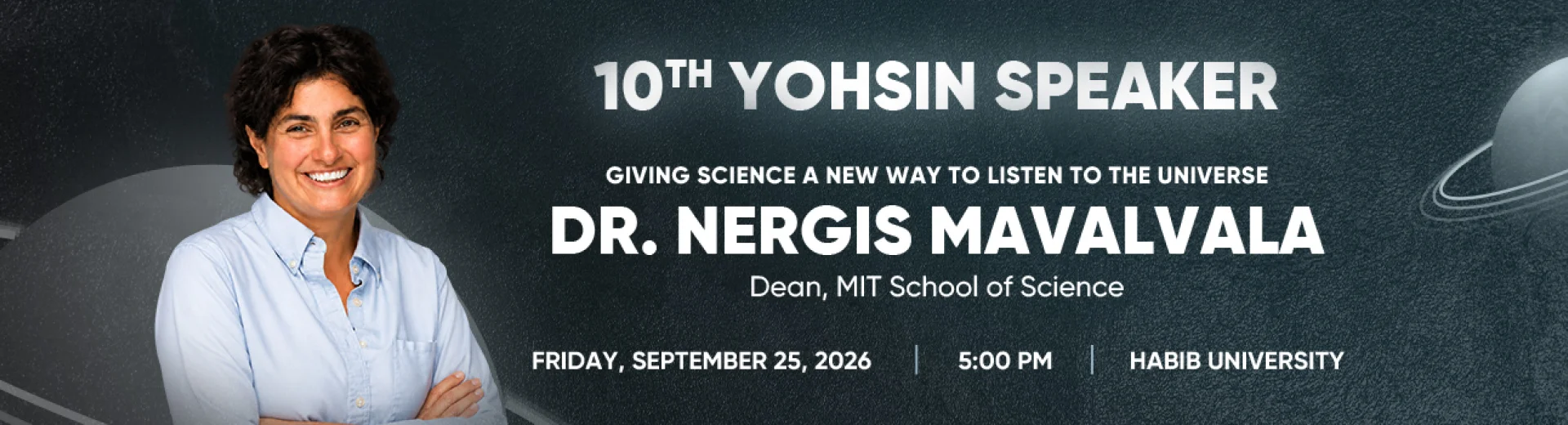
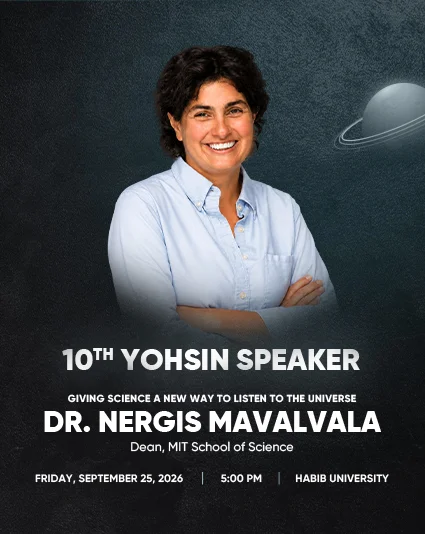
Tracing her own journey from Karachi to MIT, and from repairing bicycles as a child to helping detect ripples in spacetime itself, Dr. Nergis Mavalvala offers a personal and disarmingly candid account of the joy of discovery, and of the role curiosity has played in shaping both scientific progress and her own life. It is a story that will feel especially close to home for a Karachi audience watching one of the city's own help rewrite our understanding of the cosmos.
She argues that the deepest discoveries most often emerge from questions pursued because they are worth asking. Practical applications often come decades later. Universities, in turn, carry a responsibility that goes beyond training professionals: they must cultivate wonder, creativity, perseverance, and intellectual freedom. The pursuit of knowledge for its own sake, she suggests, is not a luxury to be indulged once the practical work is done. It is the engine of civilization.
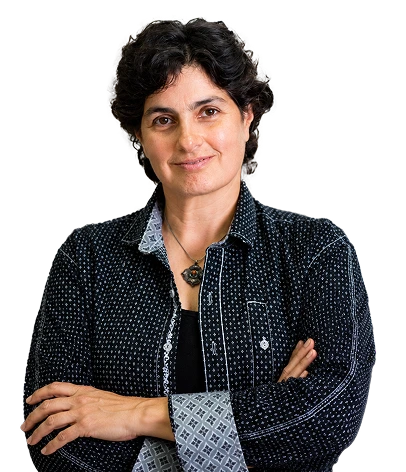
Dr Mavalvala is among the scientists whose work made possible one of the defining discoveries of the century. As a longtime member of the LIGO collaboration, she helped build the instruments that, in September 2015, achieved the first direct detection of gravitational waves, faint ripples in space and time thrown off by two black holes that collided more than a billion years ago. The detection confirmed a prediction Albert Einstein had made a century earlier, one he doubted could ever be measured, and the discovery was recognised with the 2017 Nobel Prize in Physics. It opened an entirely new way of studying the universe, not by seeing it, but by listening to space and time itself.
Born in Lahore and raised in Karachi, Dr Mavalvala studied at the Convent of Jesus and Mary before leaving for the United States, where she earned her undergraduate degree at Wellesley College and her doctorate at MIT. She is the first woman to lead MIT's School of Science, the Curtis and Kathleen Marble Professor of Astrophysics, a MacArthur Fellow, and a member of the National Academy of Sciences.
The Yohsin Lecture Series, Habib University’s flagship platform, is rooted in the motto yohsin (‘thoughtful self-cultivation’). It brings world-leading scholars to Pakistan to set the stage for critical discourse, actively engaging the wider community on pressing contemporary questions.
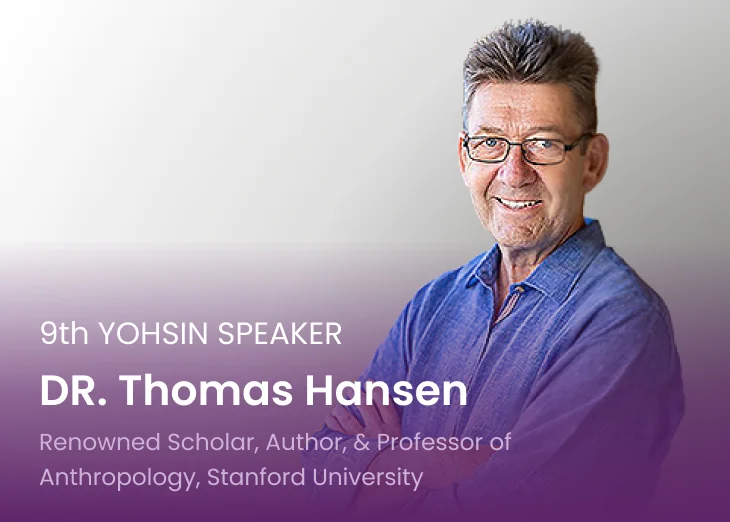
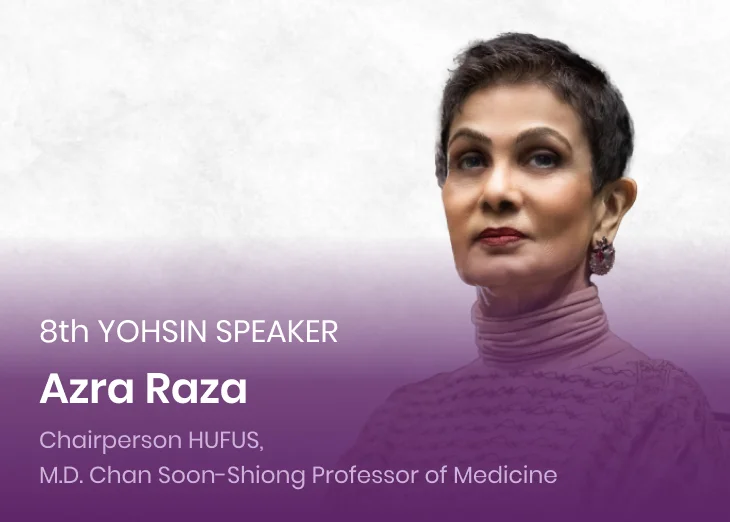
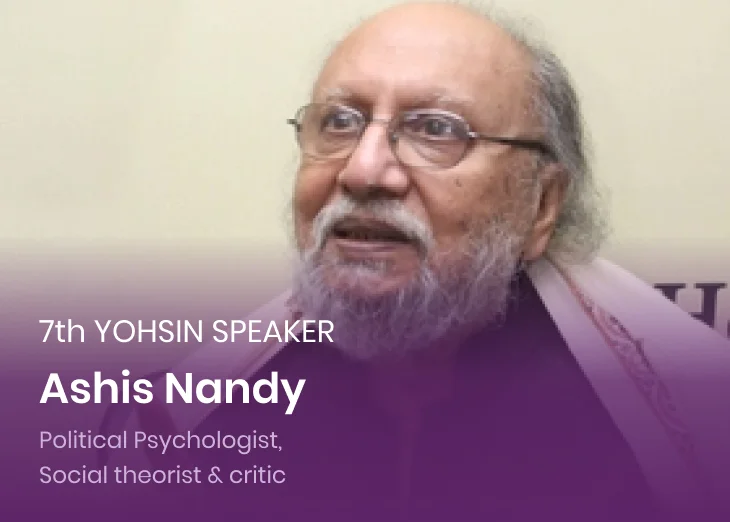
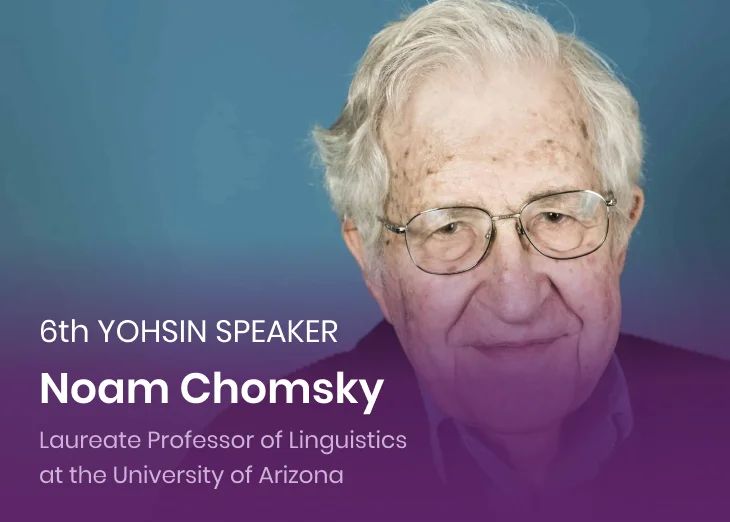
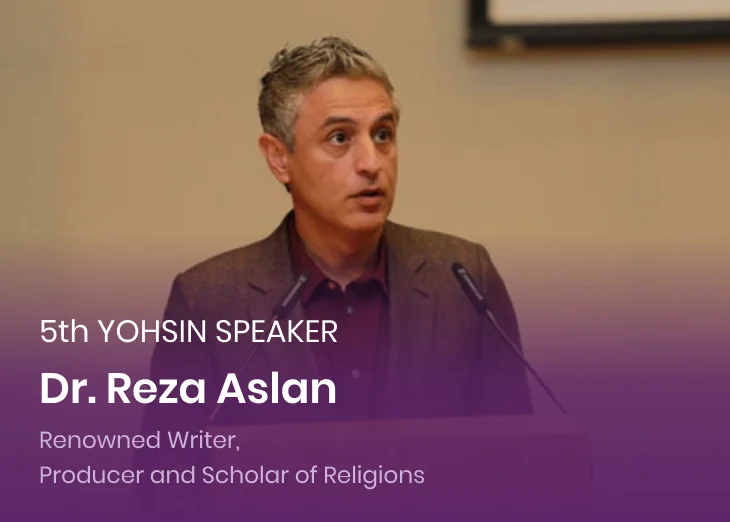
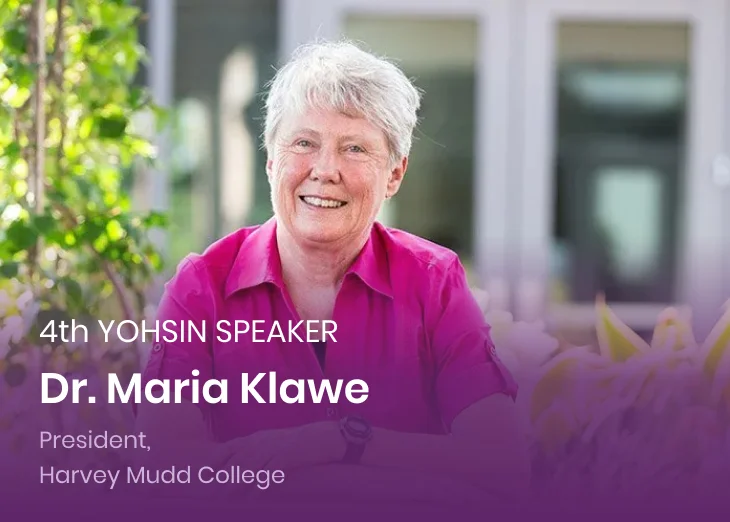
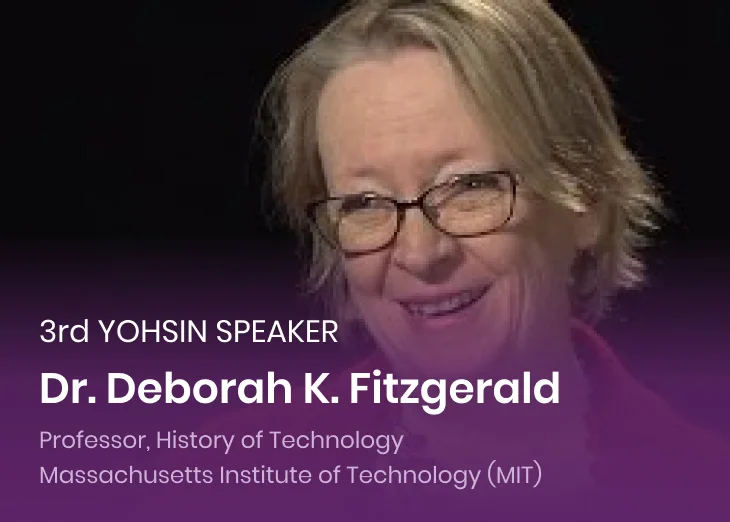
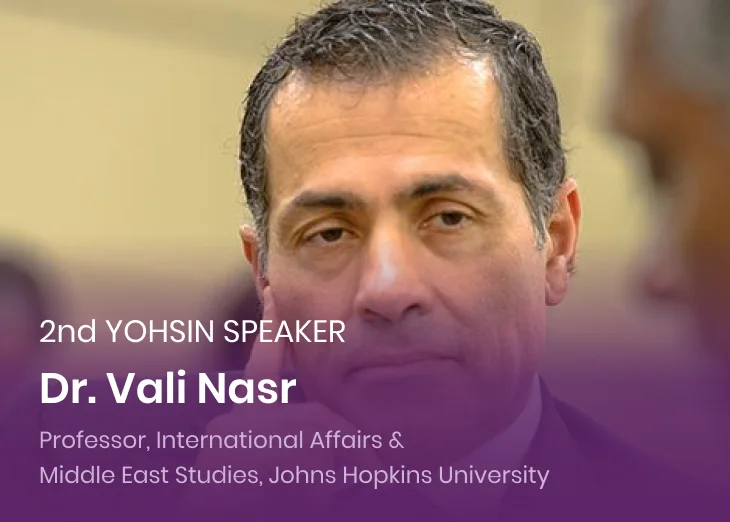
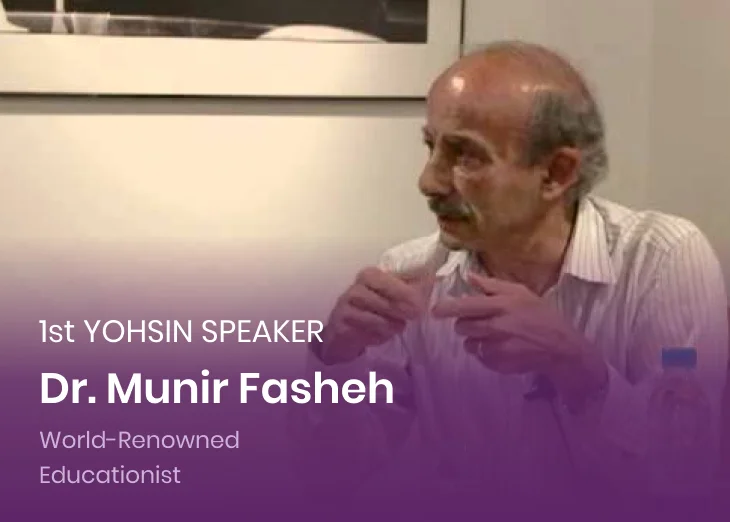
Free and open to the public, the series has regularly attracted large audiences to campus and has featured prominent thought leaders such as Dr. Munir Fasheh, Dr. Vali Nasr, Dr. Deborah Fitzgerald, Dr. Maria Klawe, Dr. Noam Chomsky, Dr. Reza Aslan, Ashis Nandy, Dr. Azra Raza, and Dr. Thomas Hansen, exemplifying Habib’s commitment to a globally engaged intellectual experience.